Commercial Trucking Auto Liability Insurance — Coming Soon
This program is currently in development. In the meantime, reach out directly and we'll walk you through where things stand and what's coming.
What Commercial Trucking Auto Liability Actually Covers
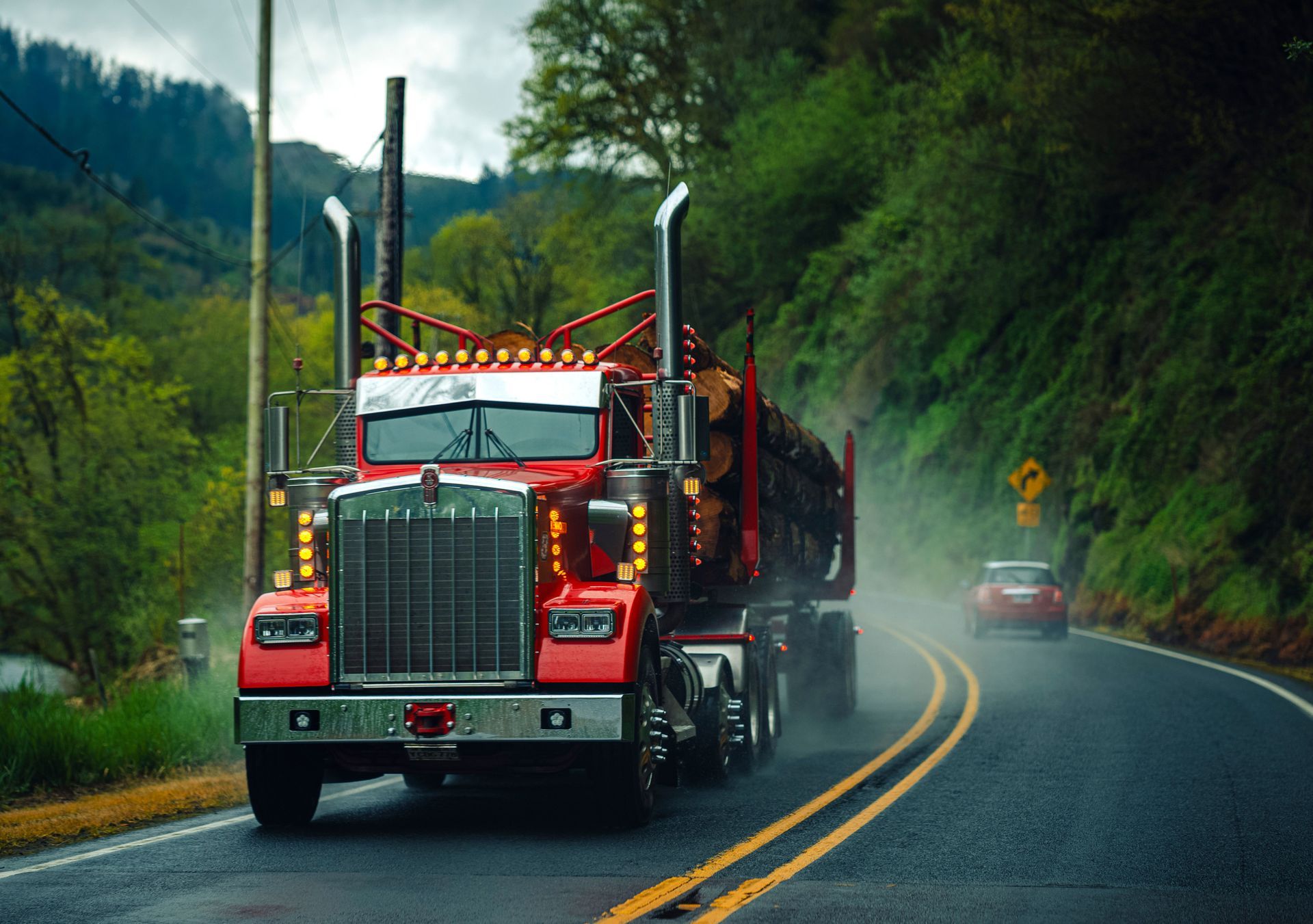
Auto liability is the foundation of every commercial trucking insurance program. It covers bodily injury and property damage your client causes to a third party while operating a covered vehicle — and in the trucking world, the exposure is anything but ordinary. A loaded semi on an interstate isn't the same risk as a delivery van, and the coverage structure has to reflect that.
This is also the coverage line the FMCSA cares about most. Federal minimum auto liability requirements range from $750,000 to $5 million depending on the commodity being hauled and the nature of the operation. Hazmat carriers sit at the top of that range. General freight carriers typically land at $750,000. Knowing where your client falls — and whether their current limits actually meet the threshold — is the kind of detail that separates agents who retain trucking accounts from agents who lose them to someone who asked the right question first.
Hard-to-Place Doesn't Mean Unplaceable
The accounts that keep retail agents up at night — new ventures, distressed loss histories, operations the admitted market won't touch — are exactly the accounts this program is being built to serve. Partnersure places coverage on an E&S basis, which means we're not constrained by the same appetite restrictions that turn standard carriers into a wall of declinations.
When this program goes live, it will include non-standard options for the submissions your current wholesale partners are passing on. If you've got a trucking client sitting in your pipeline right now with a complicated loss history or an operation that doesn't fit a standard box, get in touch. We'll tell you what's coming and whether it's worth holding the account for.
What to Know About FMCSA Minimum Liability Limits
Federal auto liability minimums for commercial motor carriers are set by the FMCSA and vary based on cargo type and operation. Here's where the thresholds land for the most common trucking categories:
- For-hire carriers hauling non-hazardous freight in vehicles over 10,001 lbs: $750,000 minimum
- For-hire carriers hauling oil: $1,000,000 minimum
- For-hire carriers hauling hazardous substances: $5,000,000 minimum
- For-hire carriers hauling hazardous waste: $5,000,000 minimum
- Private carriers hauling non-hazardous property: $750,000 minimum
These are federal floors, not recommendations. Some states impose additional requirements on top of federal minimums, and lenders or shippers may contractually require higher limits. When you're appointed with Partnersure, we'll help you work through these thresholds with your clients so the conversation happens before a claim does — not after.
A Program Built Around Real Underwriting, Not a Queue Number
Most wholesale portals route your submission into a system and send you a status update. We don't work that way. Partnersure's appointment model is built around direct relationships between our team and the retail agencies we work with — which means your submission reaches a person who understands transportation risk, not an automated pipeline that treats a 20-truck fleet the same as a single owner-operator.
When this program launches, appointed agents will have access to underwriting guidance, not just quote output. If the account is complicated, we'll tell you why and what we'd need to move it forward. If it's a fit, we'll move fast.
Frequently Asked Questions About Trucking Auto Liability Coverage
What does commercial trucking auto liability insurance cover?
It covers bodily injury and property damage your client causes to a third party while operating a covered commercial vehicle. For trucking operations, this typically includes the tractor, the trailer, and any attached equipment while in transit. Coverage applies to accidents involving other vehicles, property, or individuals — not damage to the insured's own equipment, which falls under auto physical damage coverage.What are the FMCSA minimum auto liability limits for commercial trucks?
Federal minimums range from $750,000 to $5 million depending on what the carrier hauls and how they operate. General freight for-hire carriers typically need $750,000. Carriers hauling hazardous materials or substances are required to carry up to $5 million. These are federal minimums — state requirements and shipper contracts may require higher limits.Can Partnersure place auto liability for accounts the standard market won't write?
That's the intent of this program. Partnersure places coverage on an E&S basis, which gives us flexibility that admitted carriers don't have. New ventures, distressed accounts, and operations with complicated loss histories are the exact submissions this program is being designed to accommodate. Reach out for current timeline details.What's the difference between preferred, standard, and non-standard trucking risks?
Preferred risks are established carriers with clean loss histories, experienced drivers, and operations that fit squarely inside admitted market appetite. Standard risks have minor blemishes but still qualify for admitted placement. Non-standard risks — new ventures with no operating history, accounts with significant losses, or operations in higher-exposure segments — typically require E&S placement. Partnersure's forthcoming auto liability program is focused on the non-standard and distressed end of that spectrum. Is this program available in my state? Partnersure operates nationwide across all 50 states. E&S placement gives us the flexibility to write risks in markets where admitted carriers have limited appetite. When the program launches, it will be available to appointed agencies regardless of where they're located.
Get on the List Before This Program Goes Live
If you're writing trucking accounts — or trying to grow a transportation book — auto liability is the line that makes or breaks the relationship. We're building this program to fill the gap that generalist wholesalers and admitted carriers keep leaving open. Reach out now and we'll keep you in the loop on timing, appetite, and what to expect when submissions open.